Les carreaux de porcelaine et de céramique sont réputés pour leur durabilité et leur résistance à l'humidité, ce qui en fait un choix populaire pour les cuisines, les salles de bains et les espaces commerciaux. Cependant, une question revient souvent chez les propriétaires et les acheteurs : l'eau peut-elle réellement endommager ces carreaux au fil du temps ? Comprendre comment l'eau interagit avec les matériaux carrelés vous permettra de faire des choix plus éclairés concernant les carreaux de porcelaine pour vos sols, les faïences murales en céramique ou d'autres options de carrelage résistantes. Les carreaux de porcelaine et de céramique sont-ils imperméables ?Les carreaux de porcelaine sont souvent commercialisés comme Carrelage en porcelaine imperméableTechniquement, elles sont très résistantes à l'eau, mais pas totalement étanches. Les carreaux de porcelaine sont fabriqués à des températures plus élevées et ont un taux d'absorption d'eau inférieur à celui des carreaux de céramique. Cela les rend idéaux pour les pièces humides, comme les salles de bains et les cuisines.Les carreaux de céramique, bien que résistants à l'eau, sont légèrement plus poreux. Haute qualité carrelage en céramique Elles peuvent toujours bien fonctionner en milieu humide, mais elles peuvent nécessiter une étanchéité et une installation appropriées pour garantir des performances à long terme. Où les dégâts d'eau peuvent se produireCe ne sont généralement pas les carreaux eux-mêmes qui constituent le point faible. En revanche, les dégâts d'eau sont plus susceptibles de se produire dans les zones suivantes :Joints de carrelage : Les joints sont poreux et peuvent absorber l’eau s’ils ne sont pas correctement scellés. Avec le temps, cela peut entraîner la formation de moisissures ou une décoloration.Sous-plancher : Si l’eau s’infiltre sous les carreaux, elle peut endommager la structure sous-jacente, notamment dans les systèmes de carrelage de salle de bains mal installés.Adhésifs : Une exposition prolongée à l’humidité peut affaiblir les adhésifs pour carrelage, ce qui peut entraîner le décollement des carreaux.C’est pourquoi la pose correcte de carreaux résistants à l’eau est tout aussi importante que le matériau lui-même. L'eau peut-elle provoquer des fissures ou des dommages superficiels ?Dans des conditions normales, l'eau seule ne fissure ni n'endommage les carreaux de sol en porcelaine ou en céramique. Cependant, dans les climats froids, l'eau qui s'infiltre dans les moindres interstices et gèle peut se dilater et potentiellement provoquer des fissures. Ce phénomène est plus fréquent pour les applications extérieures. Carreaux de porcelaine extérieurs.De plus, l'eau stagnante combinée à un mauvais entretien peut entraîner des taches en surface ou une accumulation de minéraux, notamment sur les carreaux de moindre qualité. Comment prévenir les dégâts d'eauPour maximiser la durée de vie de vos carreaux, tenez compte des conseils suivants :Faites appel à des services de pose de carrelage de haute qualité pour garantir une étanchéité et un drainage adéquats.Appliquez régulièrement du mastic d'étanchéité sur les joints de carrelage.Choisissez des carreaux de salle de bain antidérapants pour les zones humides afin d'améliorer la sécurité et la performance.Nettoyez et séchez régulièrement les surfaces carrelées pour éviter l'accumulation d'eau. ConclusionEn résumé, l'eau n'endommage pas directement les carreaux de porcelaine ou de céramique, surtout lorsqu'il s'agit de carreaux de haute qualité pour les sols ou les murs. Cependant, une pose incorrecte, un entretien insuffisant des joints et des infiltrations d'eau sous la surface peuvent engendrer des problèmes à terme. En choisissant les bons matériaux et en faisant appel à un professionnel pour la pose, vous profiterez de surfaces carrelées résistantes à l'eau et durables, quel que soit l'environnement.
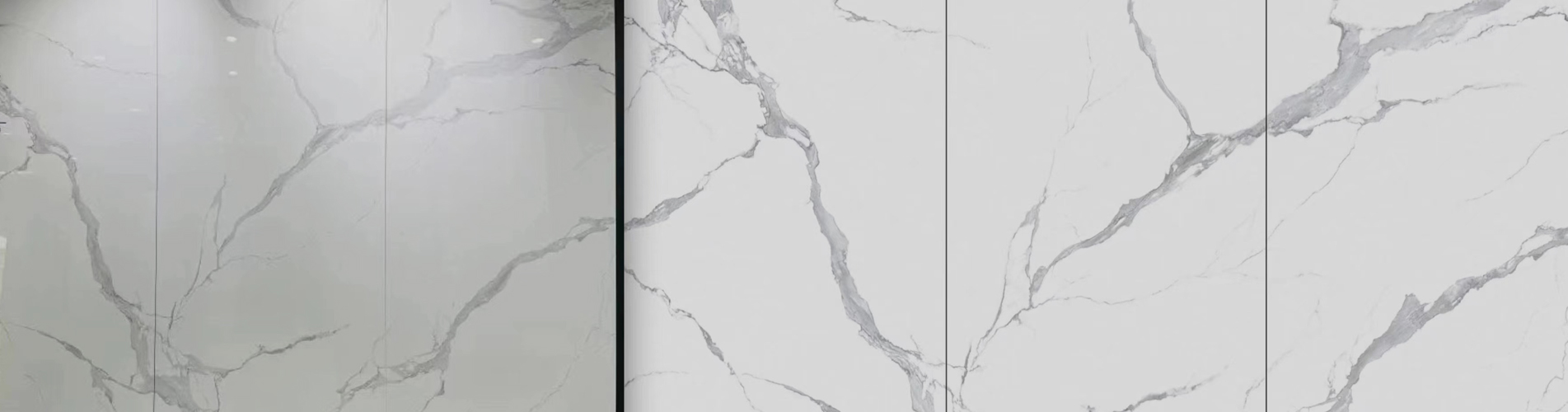
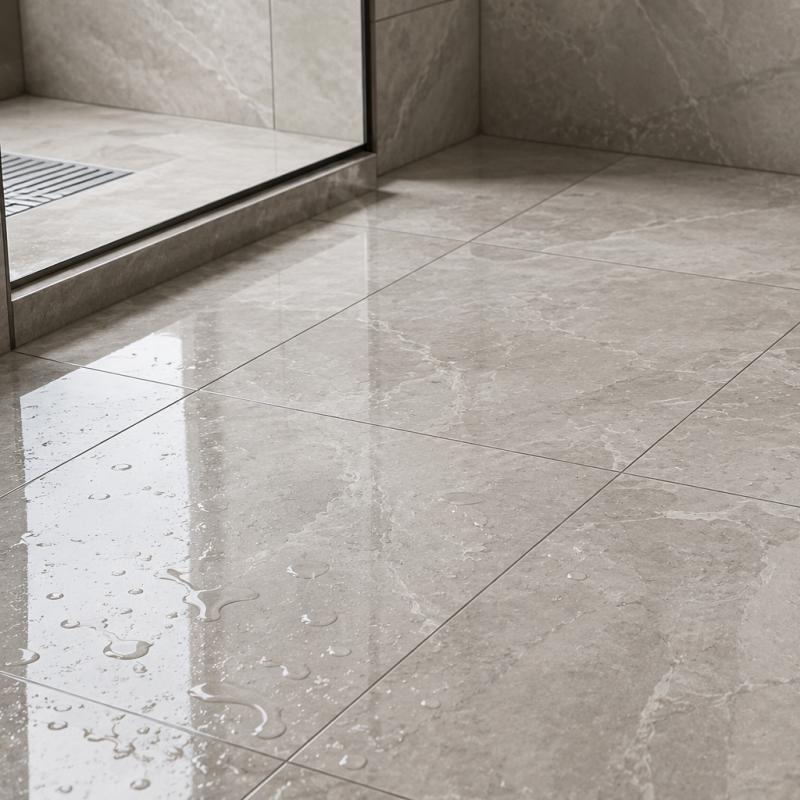 L'eau peut-elle endommager les carreaux de porcelaine ou de céramique ?









 IPv6 RÉSEAU PRIS EN CHARGE